by Rob Lundberg I don’t know if you realize this or not, but the problem with America is not America. The problem with America is the

How to stay godly, grey, and tactically minded where the Lord has you.
by Rob Lundberg I don’t know if you realize this or not, but the problem with America is not America. The problem with America is the
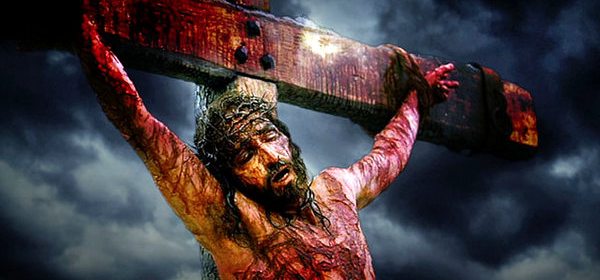
by Rob Lundberg We are coming up on the Easter holiday, and I have been thinking about the conversations you and I might encounter during

by Rob Lundberg Many people use the word “miracle” in many contexts. We may think a team with a of losing seasons winning the championship

by Rob Lundberg Sometimes someone who will not listen to your gospel presentation using Scripture, and referencing chapter and verse, will seek to shut the
Dr. Norman Geisler became probably the greatest influence to show me that there was more to apologetics than Ken Ham and the popular creation versus evolution debate.

There are many questions that are a challenge to the Christian faith, but this one came up the other night in a group that our family fellowships with. The person asking it during our group meeting really put some thought into it, and it is one worth our posting a response to it. Perhaps you have heard this one as well. Here is the question:
If God has infinite knowledge, WHY did He create beings that He foreknew would sin and then sacrifice His Son to redeem them?

The origin of this objection comes from the influential German philosopher, Ludwig Feuerbach who pontificated this idea that God was made in the image of man and that God was a creation of the human mind. And then Sigmund Freud also contributed to this “A theological dogma might be refuted to a person a thousand times, provided however, he had need of it, he again and again accepts it as true.”
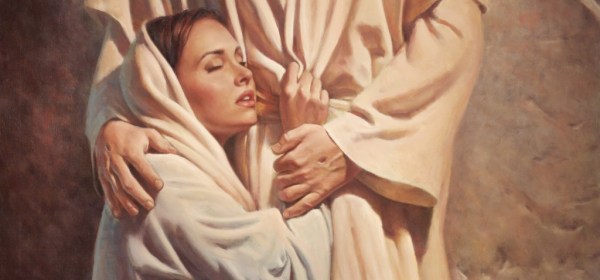
In this final posting for this series, the challenge I will be addressing is rather interesting. It is interesting because each of the gospel writers present a unique picture of their own with respect to the responses which came from the women following the dialogue with those they encountered at the tomb of Jesus.

Continuing with the fifth posting in this series, we have seen up to this point that the Garden Tomb accounts demonstrate very clearly that the gospel writers’ personalities were intact toward what the Spirit had inspired each of writers. Each writer of the gospels chose what they wrote under the guise of the Holy Spirit.
For skeptics like the one who challenged me, this next posting is going to reinforce the points that I have presented up to this point.
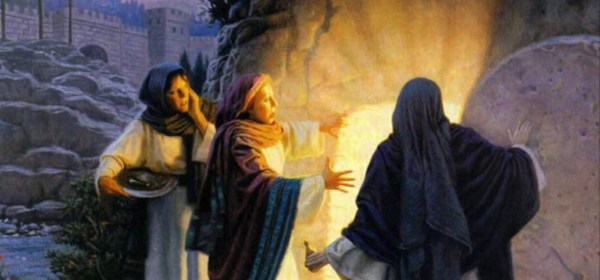
In our series on what happened at the tomb, we come to the third installment, to answer the question of what was seen at the tomb and whether the gospel writers are in conflict what they record. As you recall, this series was sourced in a series of emails I received a few years ago.

Continuing on the series on what happened at the tomb, another skeptic tells me that there is a problem with what the gospel writers record with reference to the time of day when the women arrived at the tomb of Jesus. Whenever critics of the Bible see one account differing from another in wording or phrasing, they are quick to point out that the gospel writers cannot be in agreement with one another.
This post is going to demonstrate that there really is no problem, and that there are no contradictions between the writers.
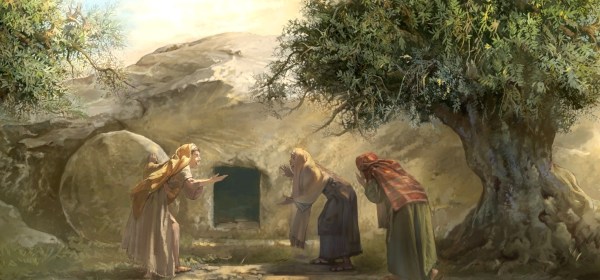
by Rob Lundberg Christian apologetics takes on many angles and many disciplines. Many arenas include engaging the philosophical ideologies like engaging different worldviews that are

